Seasonal Home Upgrades That Actually Matter
Spring isn't just about cleaning. Here's what to prioritize each season to keep your home running well and your comfort steady year-round.
Most people think about home maintenance once something breaks. But that's not how it works. Small, strategic upgrades throughout the year prevent expensive problems later. We're not talking about trendy renovations — we're talking about practical improvements that actually affect how your home feels and functions.
The thing is, each season brings different demands on your home. Spring's about renewal, summer's about durability, autumn's about preparation, and winter tests everything. When you align your upgrades with what nature throws at your house, you get better results and longer-lasting improvements.
The Real Benefit
Strategic seasonal upgrades reduce emergency repairs by up to 40% and improve comfort in the months when you need it most. Plus, they're often cheaper to do when you plan ahead.
Spring: Wake Your Home Up Properly
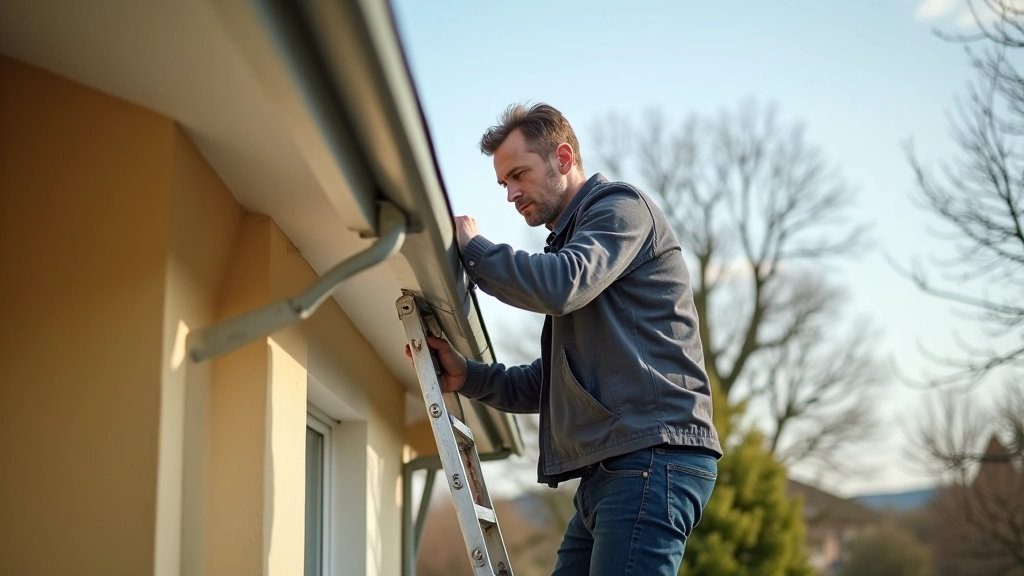
Spring's the ideal time for water management upgrades. Winter's been hard on your gutters and drainage. Cleaning isn't enough — you'll want to check for damage and consider upgrading to seamless gutters if yours are older than 15 years. They cost more upfront but eliminate the leak points that plague standard gutters.
Windows matter too. Check weatherstripping around all frames — it hardens over winter and loses effectiveness. Replacing it takes maybe two hours per window but saves significant heating costs next winter. Don't overlook basement windows and doors either. These are where air leaks hide.
One more thing many people skip: inspect your roof from the ground with binoculars. Look for curled or missing shingles. If you find damage now, you can schedule repairs before storm season hits. Waiting until summer means contractors are booked solid.
Summer: Cooling Systems and Exterior Protection
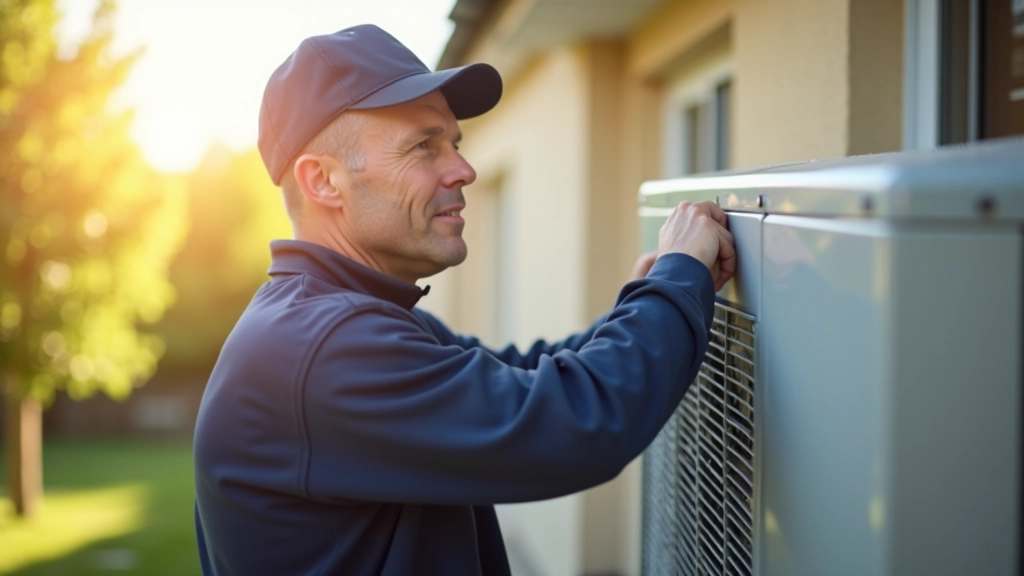
Summer's when you realize if your cooling isn't working properly. Don't wait until mid-August when temperatures peak and repair shops are overwhelmed. Get your AC serviced in early June. A professional cleaning of coils and filters improves efficiency by 15-20% and extends unit life.
Exterior paint and sealant matter more than people realize. UV exposure is intense in summer. If your deck or fence looks faded, it's losing protection. Resealing takes a weekend and prevents wood rot that costs thousands to repair later. Same goes for exterior caulk around trim and siding — it cracks from sun exposure and needs refreshing every 5-7 years.
Here's something people overlook: attic ventilation. Poor ventilation traps heat and reduces AC efficiency. Adding soffit vents or upgrading existing ones helps hot air escape naturally. You'll notice the difference in your utility bills and in how your upstairs bedrooms feel at night.
Autumn: Heating Prep and Weather Sealing
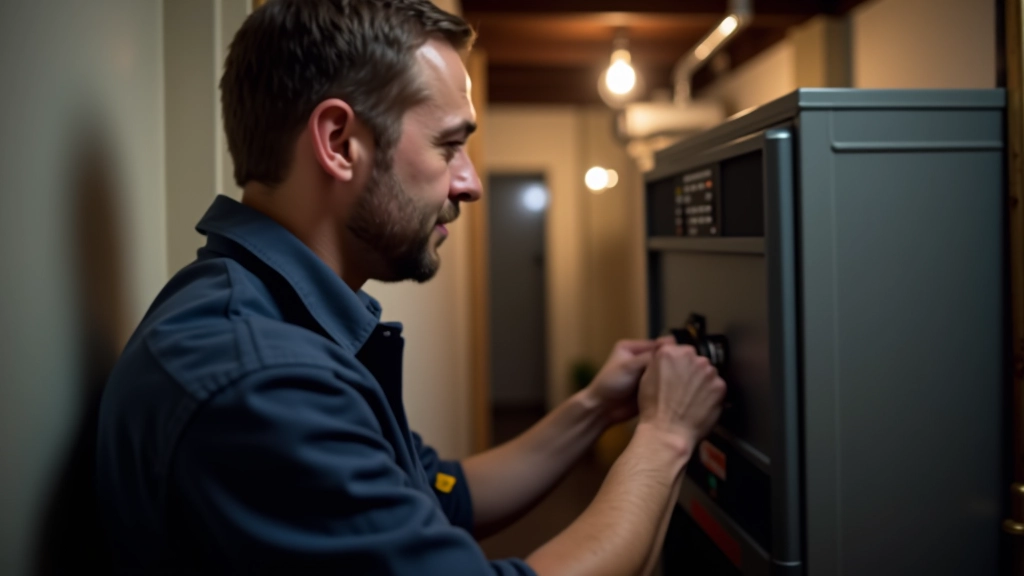
Autumn's when you should service your heating system before demand spikes. Furnace maintenance in September means you're ahead of the October rush. A professional will replace filters, clean burners, and check thermostat calibration. This simple service can prevent breakdowns during the coldest weeks.
Weatherstripping gets another check now. Door seals wear out from summer heat and humidity. Replace them before November when you'll rely on them daily. Add door sweeps to exterior doors if you don't have them — they're inexpensive and block drafts effectively.
Don't skip the chimney inspection if you use your fireplace. Creosote buildup isn't just a fire risk — it also reduces heating efficiency. Professional chimney sweeping costs $150-300 and prevents dangerous situations. This is genuinely one of those upgrades that protects both comfort and safety.
Winter: Testing What Works and Planning Ahead
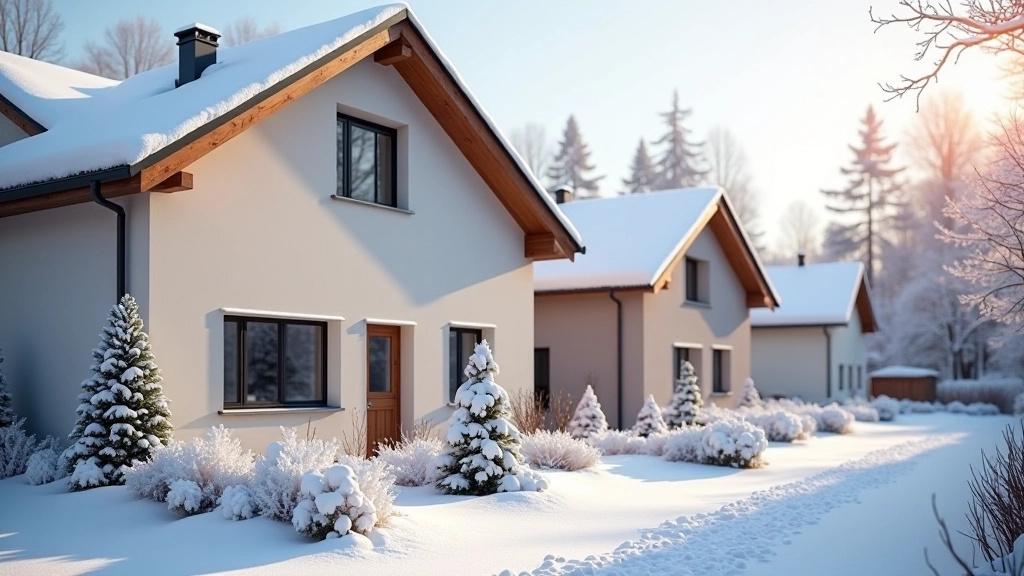
Winter shows you exactly where your home has problems. Cold spots, drafts, high heating bills — these are real clues about what needs upgrading. Don't ignore them until spring. Instead, note problem areas and plan improvements for next season.
If you're experiencing ice dams (ice buildup at roof edges), that's a sign your attic insulation isn't sufficient. This isn't a quick fix, but knowing it now means you can budget for proper insulation upgrades in spring. Same goes for frozen pipes — they indicate areas needing better insulation or heat tape installation.
Use winter to plan your next year's upgrades. Look at energy bills, identify comfort issues, and research solutions. This off-season planning prevents rushed decisions and gives you time to get quotes and budget properly. You'll make smarter choices when you're not dealing with an emergency.
The Priority Framework
Not all upgrades matter equally. Here's how to decide what's worth your time and money.
Water Management First
Water damage is expensive and preventable. Gutters, drainage, sealing, and weatherstripping address water problems before they become structural issues. These always come first.
Climate Control Second
Heating and cooling systems affect daily comfort and utility costs. Maintenance prevents expensive breakdowns. Insulation and weatherstripping upgrades reduce operating costs year-round.
Structural Protection Third
Roof condition, foundation cracks, wood rot, and pest prevention protect the actual structure. Address these before cosmetic improvements. Preventing damage is always cheaper than repairs.
Comfort and Efficiency Last
Once the foundation is solid, invest in comfort upgrades. Better lighting, improved air quality, ergonomic improvements, and aesthetic enhancements make your home genuinely enjoyable.
Making It Actually Happen
The difference between homes that age well and homes that deteriorate quickly isn't luck. It's consistent, seasonal attention. You don't need to be handy — many of these upgrades are professional services. The key is planning them before problems force your hand.
Create a simple seasonal checklist. Write down what needs attention each season based on your home's specific issues. In spring, review winter's problems. In summer, prep for heat and humidity. In autumn, prepare for cold. In winter, evaluate what worked and plan next year. This cycle prevents emergencies and keeps your home in good shape.
Don't overthink it. Start with water management, keep your HVAC systems serviced, and stay on top of weatherstripping. These three areas prevent 80% of common home problems. Everything else builds from that foundation. Your home will run better, cost less to operate, and stay comfortable year-round.

Information Note
This article provides general guidance for home maintenance. Specific recommendations depend on your home's age, climate, construction type, and local building codes. For structural issues, safety concerns, or specialized repairs, consult licensed professionals in your area. Costs, timelines, and availability of services vary by region. Always get multiple quotes before major work and verify contractor licensing and insurance.
Related Articles