
How to Layer Heating and Save Money
Combine multiple heat sources strategically to cut energy bills without sacrificing comfort. We break down the layering approach that works.
Why Layering Actually Works
Most homes rely on a single heating source — usually a central radiator system that heats everywhere equally, wasting energy in rooms you're not using. That's inefficient.
Layering means using different heat sources in different zones. Your main radiators handle baseline warmth. Underfloor heating warms where you spend time. Supplemental sources like heated rugs or panel heaters fill gaps. Together, they're more efficient than one system running constantly.
The result? You're not heating empty bedrooms. You're not overheating the kitchen when the sun's already doing it. You're heating smartly — and saving 15-25% on heating costs without feeling cold.

Foundation Layer
Layer 1: Central Radiator System
Your baseline heat source keeping the whole house from getting cold
How It Works
Traditional radiators connected to your boiler provide consistent, whole-house heat. They're reliable, proven, and already in most homes. The key: don't set them to maximum. With layering, your radiators work at 60-65°C instead of 75-80°C. Sounds colder, but it's not — other layers handle the extra warmth.
Set your radiator thermostat to 18-19°C as your baseline. Let the other layers bring rooms to 20-21°C where you're actually spending time. Your boiler won't be overworking, and your bills drop immediately.
Quick tip:
- Bleed radiators twice yearly to remove air pockets
- Install thermostatic valves on each radiator (lets you control per room)
- Keep radiators clear of furniture that blocks heat
Comfort Layer
Layer 2: Underfloor Heating
Efficient warmth exactly where you spend your time

Why Underfloor Beats Radiators
Underfloor heating (water-based or electric) distributes warmth evenly across the floor surface. Your feet feel warm, the air temperature can be 2-3°C lower, and you're comfortable. That's the physics working for you — warm floors feel cozier than warm air.
Install it in high-traffic areas: living rooms, kitchens, bathrooms. Not bedrooms (you're under blankets) or hallways (nobody spends time there). This targeted approach saves energy while improving actual comfort.
Modern electric underfloor mats cost 2,000-4,000 CZK to install in one room. Water-based systems are pricier upfront but more efficient long-term. Either way, the payback period is 3-5 years through lower bills.
Installation consideration:
Electric underfloor works great under tile or laminate. Under carpet, efficiency drops. If you're using carpet, water-based systems are better.
Boost Layer
Layer 3: Supplemental Heat Sources
Targeted warmth for specific zones and situations
Panel Heaters
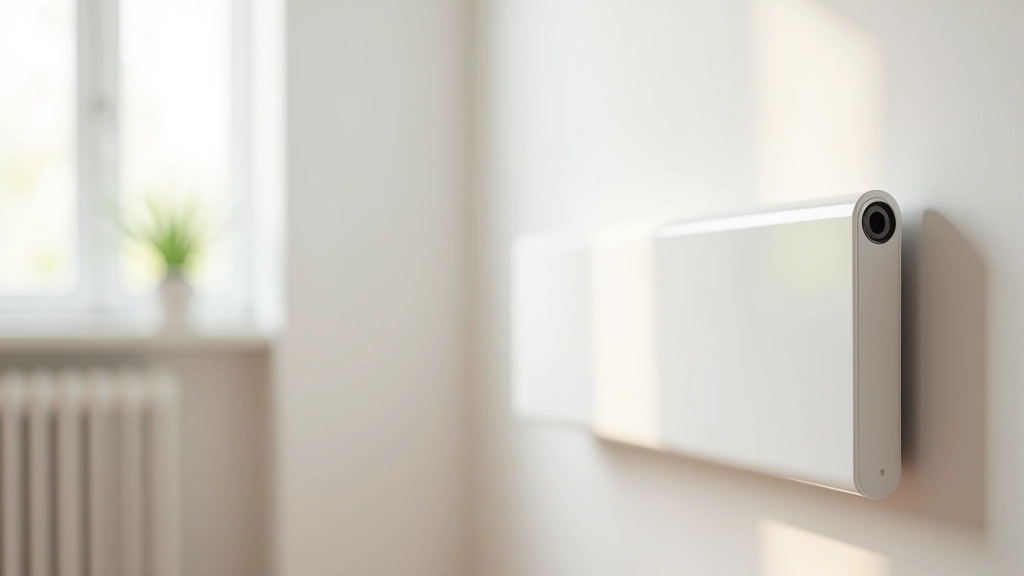
Slim electric heaters mounted on walls. They're portable, controllable, and perfect for a home office or bedroom. Use them only when you need extra warmth — not all day. Cost: 2,000-5,000 CZK. Running cost: roughly 8-10 CZK per day when on.
Heated Floor Mats
Portable mats under a rug or bare floor. Great for a reading corner or desk area. They warm just that zone. You're not heating the whole room, just where you sit. Cost: 800-2,500 CZK. Running cost: 2-3 CZK per day.
Radiant Ceiling Panels
Mounted flush to the ceiling, they warm by radiation (like the sun). They're invisible, efficient, and work well in modern homes. Best for larger spaces. Cost: 4,000-8,000 CZK per unit installed. More expensive upfront, highly efficient.
Passive Solar Gain
Free heat from south-facing windows. In winter, keep curtains open during the day, closed at night. This layer costs nothing and works automatically. A sunny afternoon can warm a south-facing room 3-5°C without any active heating.
The key with supplemental heat: use it strategically. A panel heater running 4 hours daily costs far less than radiators running 24 hours. You're solving the real problem — specific rooms or times need more warmth — not blasting the whole house.
Putting It All Together: A Real Example
How one household layered their heating and cut bills by 22%
01
Baseline: Lower Radiator Temperature
Reduced radiator setpoint from 75°C to 63°C. Rooms were initially slightly cooler, but this was the foundation for layering. Cost: nothing. Savings: 8% immediately on heating bills.
02
Add Underfloor in Living Room
Installed 20m² electric underfloor mat under existing laminate. Cost: 3,500 CZK installed. This zone now felt warmer at lower air temperature. Bedroom radiators were turned down further — nobody needs 21°C there while sleeping.
03
Add Panel Heater for Home Office
One 800W panel heater in the office, used only during work hours (9am-5pm). Radiator in that room was shut off. Cost: 2,200 CZK. This room now heats only when needed, cutting wasted heat.
04
Optimize: Close Radiator Valves in Unused Rooms
Guest bedroom, storage room — radiators nearly closed. These rooms don't need 21°C when nobody's there. Cost: nothing. Extra savings: 6% of total heating bill.
05
Monitor & Adjust
Installed a simple thermostat in the living room (the main comfort zone). Other rooms controlled by radiator valves. This ensures comfort in lived-in spaces while letting less-used areas stay cooler. No additional cost, just smarter management.
The Results
22%
Lower Bills
Year-over-year heating costs dropped from 28,000 CZK to 21,800 CZK
5,700 CZK
First-Year Investment
Underfloor mat + panel heater + thermostat = 5,700 CZK total
2.5 years
Payback Period
Savings pay for upgrades in 2.5 years, then pure savings
How to Plan Your Layering Strategy
Step 1: Identify Your Zones
Where do you spend most time? Living room, kitchen, home office, bedroom? These are your priority zones. Guest bedroom, storage, hallways — low priority. Map this out.
Step 2: Test Current Comfort
Keep a heating log for one week. Track: room temperature, how you feel, thermostat setting. This shows you where the actual problems are. You might find your kitchen is already warm (southern exposure), but your home office is always cold (northern, shaded).
Step 3: Start Simple
Don't install underfloor heating everywhere immediately. Start with one small area (500 CZK heated mat) and see if it works for you. Add more later if it does. Costs: small. Risk: minimal.
Step 4: Get a Smart Thermostat (Optional But Smart)
A basic smart thermostat (2,000-3,500 CZK) lets you program different temperatures for different times. Heat the living room to 21°C only when you're home. Let it drop to 16°C at night or when you're away. These devices often pay for themselves in one year.
Important Note
This article provides general guidance on heating efficiency and layering approaches. Individual homes vary significantly — insulation quality, climate zone, building age, and existing systems all affect what strategy works best. Before making substantial heating upgrades (like installing underfloor systems), consult with a qualified HVAC specialist or heating engineer who can assess your specific situation. Heating installation should follow local building codes and be performed by licensed professionals. Energy savings estimates are based on typical scenarios and your actual results may differ.
Related Articles