
Interior Design
Creating Coziness Without Overdoing It
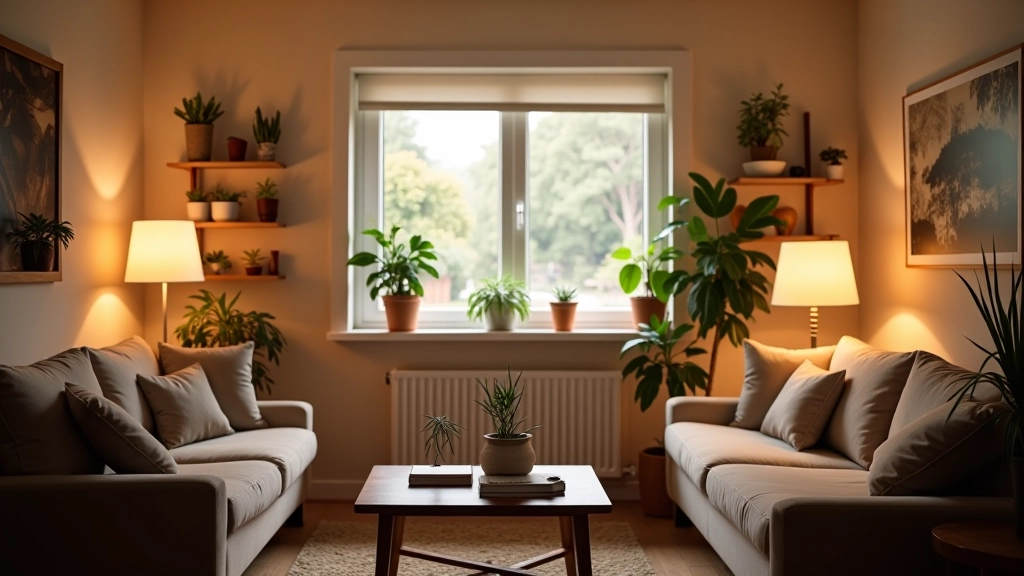
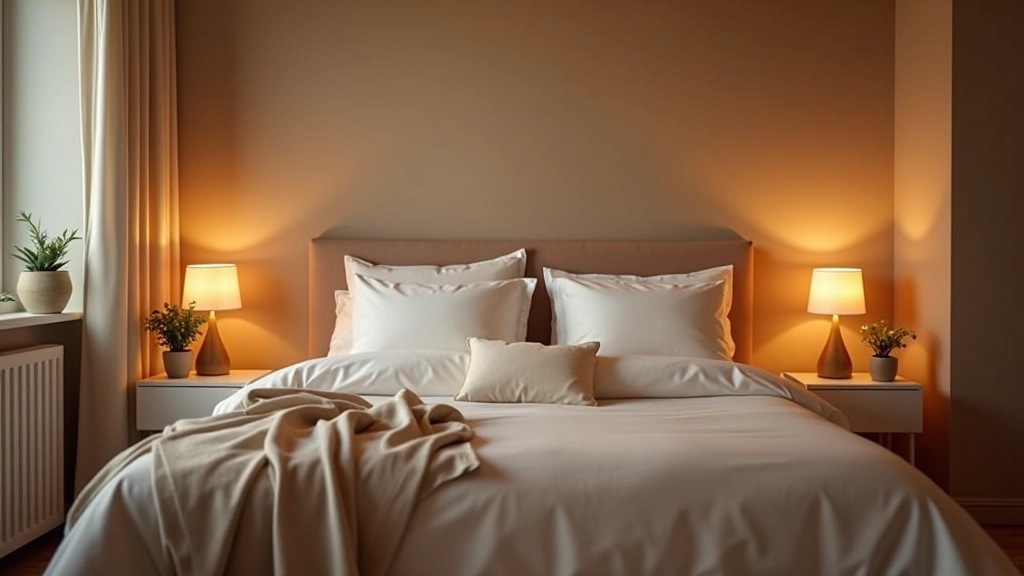
The secret to a genuinely comfortable interior isn't expensive furniture. Lighting, texture, and color choices make rooms feel warm and livable. See how it's done.
Why Comfort Matters More Than Style
Here's the thing about making a space feel cozy — it's not about stuffing rooms with cushions or painting everything in warm browns. That approach backfires. You end up with spaces that feel cluttered and heavy, not comfortable.
Real coziness comes from thoughtful choices. It's the difference between a room that feels like a warm hug and one that feels suffocating. And the good news? You don't need a designer's budget or a complete renovation. Small, intentional changes can completely shift how a space feels.
"Comfort is achieved when you stop thinking about the room and start just... being in it."
Lighting: The Foundation of Coziness
If there's one thing that makes or breaks comfort, it's light. Not bright, fluorescent light — that's the enemy. You'll want layered lighting that you can actually control. Ceiling lights alone create harsh shadows and make spaces feel cold. That's just fact.
The solution? Three types of light working together. First, soft ambient lighting (think ceiling fixtures with warm bulbs or wall sconces). Second, task lighting for when you're reading or working. Third, accent lighting — maybe a lamp in a corner, or lights behind a shelf — that adds depth without being obvious.
Pro tip:
Dimmers are non-negotiable. They let you adjust light intensity depending on the time of day and what you're doing. Warm bulbs (2700K color temperature) feel cozier than cool white ones.
Texture Creates the Feeling
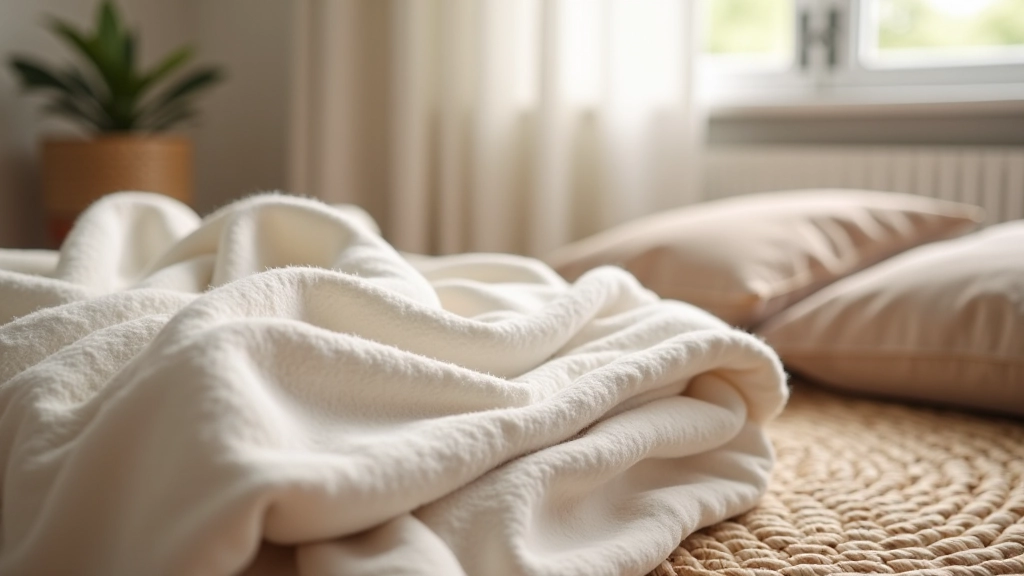
Smooth, hard surfaces feel cold. Rough, soft surfaces feel inviting. That's not philosophy — it's how humans actually respond to their environment. You want a mix of textures that make you want to touch things.
Linen, wool, cotton, wood — these materials have character. They're not perfect and that's the point. A chunky knit blanket draped over a chair, a wool rug, linen curtains, wooden side tables — these elements work together to make a space feel lived-in and genuine. You're not trying to create a showroom. You're creating a place where people actually relax.
- Wool throws and blankets (warmth, natural feel)
- Linen or cotton cushions (breathable, soft)
- Wood surfaces (natural, grounding)
- Woven rugs or jute (texture underfoot)
Color: Warmth Through Restraint
People often assume cozy means dark. Browns, deep grays, maybe some burnt orange. But that's where it gets tricky. Go too dark and you've got a cave. Go too bright and it feels sterile. The balance is everything.
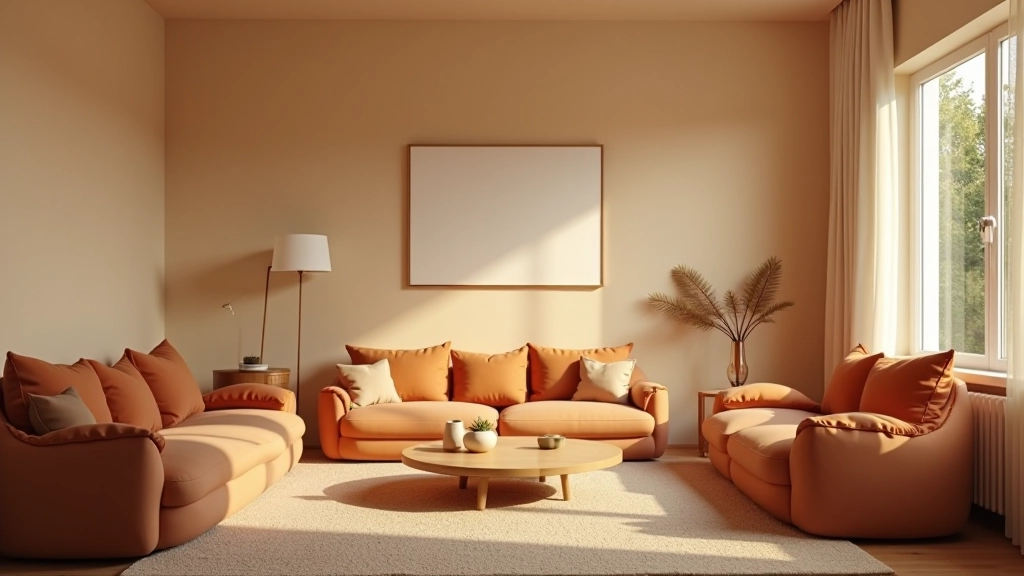
Start with a neutral base — think soft whites, warm grays, or pale beige. These create a calm foundation that doesn't compete for attention. Then add warmth through accent colors in smaller amounts. A burnt sienna pillow, a terracotta planter, warm wood tones — these details bring personality without overwhelming the space.
Avoid cool grays and pure whites. They feel institutional. Warm off-whites and greige (gray-beige blend) feel more inviting while staying neutral and timeless.
The Practical Approach: Step by Step
You don't need to redesign everything at once. Real comfort builds gradually. Here's how to start:
01
Assess Your Lighting
Walk through your space at different times of day. Notice where it feels harsh or dark. This is where you'll add layers. Start with one good lamp in your main living area.
02
Introduce Soft Materials
Add a wool blanket, a few linen cushions, maybe a natural fiber rug. These don't need to match perfectly. Slightly mismatched textures actually feel more authentic.
03
Choose Your Color Accents
Pick 2-3 warm accent colors and use them sparingly. A few pieces, not everything. This creates visual interest without chaos.
04
Declutter Thoughtfully
Comfort doesn't mean clutter. Keep surfaces mostly clear. Display a few meaningful objects, not dozens. Empty space actually makes rooms feel more peaceful.
Common Mistakes to Avoid
You'll want to sidestep these. They're the difference between cozy and cluttered.
Too Many Patterns
Mixing patterns can work, but it's risky. Stick to one or two max. A patterned throw on a solid sofa, or patterned pillows on plain furniture. Not both.
Mismatched Lighting Temperature
Warm light in one corner and cool white in another creates visual tension. Keep your bulbs consistent — all warm (2700K) or all neutral (3000K).
Overdecorating Small Spaces
Small rooms need breathing room more than large ones. One statement piece beats five smaller ones. Less is genuinely more here.
Ignoring Seasonal Shifts
Winter comfort and summer comfort are different. Heavier fabrics and warmer tones work in winter. Lighter fabrics and brighter neutrals work better in summer. Plan for both.
The Bottom Line
Creating genuine comfort isn't complicated. It's about understanding what makes spaces feel good — layered light, natural materials, thoughtful color, and room to breathe. You're not trying to impress anyone. You're creating a place where you actually want to spend time.
Start small. Change one thing at a time. Notice what feels better. That's how you'll find what works for your space and your life. Coziness isn't a destination. It's something you build gradually, with intention.
Ready to Improve Your Space?
Explore more articles on heating solutions, ergonomic workspace setup, and seasonal home maintenance below.
Related Articles


About This Article
This article provides educational information about interior design principles and home comfort. The recommendations are general guidance based on design practices and should be adapted to your individual preferences, space, and budget. Results and preferences vary by person and home. Always consider your specific circumstances, local climate, and personal comfort needs when making changes to your living space. For major renovations or specific technical concerns, consult with qualified professionals.